
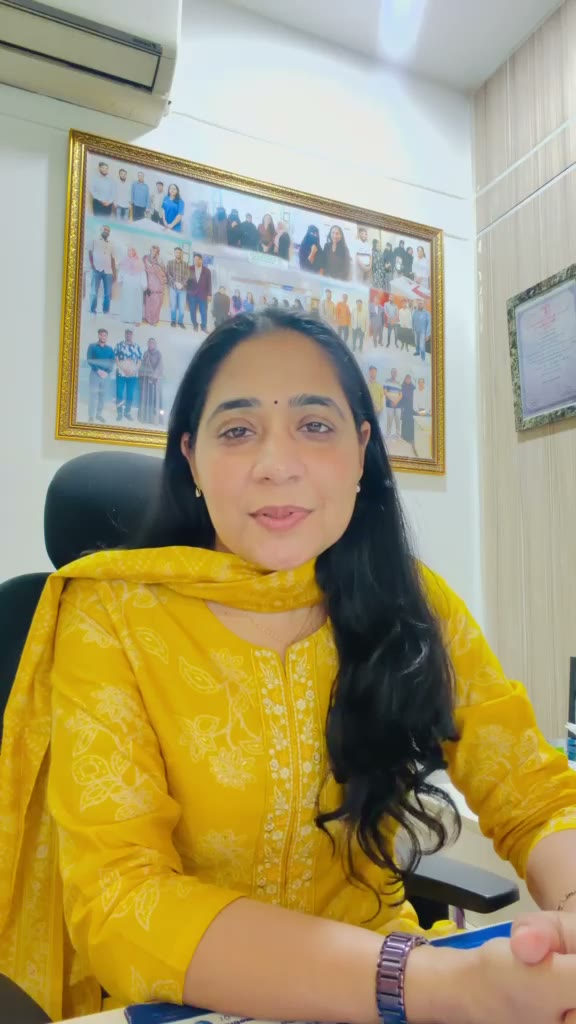
The inside of the uterus is where an embryo has to attach and grow. A small polyp, a band of scar tissue or a wall dividing the cavity can quietly get in the way, and an ordinary ultrasound does not always show them clearly. Hysteroscopy in Delhi with Dr. Kavita Manchanda gives you a direct look at the cavity and, quite often, fixes the problem in the same sitting.
There are no cuts on the tummy. A thin telescope goes in through the vagina and cervix, so most women are home the same day.
Who needs a hysteroscopy
We do not suggest hysteroscopy for every couple. It is usually advised when something in your history or scans points to the uterine cavity, for example:
- an ultrasound or HSG that suggests a polyp, a fibroid bulging into the cavity, a septum or adhesions
- heavy periods, bleeding between periods or bleeding after intercourse
- very scanty periods after a D&C, an infection or genital tuberculosis, which can be a sign of scarring
- two or more miscarriages, where the shape of the uterus needs checking (see our guide to recurrent miscarriage causes and care)
- good-quality embryos that have not implanted after one or more transfers
- unexplained infertility, as part of a full check
Many women in their thirties tell us their periods became lighter after a D&C and assumed it was age. It is worth mentioning at the first visit. Scarring inside the uterus is treatable once it is found.
Diagnostic and operative hysteroscopy
A diagnostic hysteroscopy is a look. Fluid gently opens the cavity and the lining, the shape of the uterus and the openings of both tubes are seen on a screen.
An operative hysteroscopy uses fine instruments passed through the same telescope. With it, Dr. Kavita can:
- remove endometrial polyps (uterine polyps and fertility explains why they matter)
- remove fibroids that sit inside the cavity
- cut a uterine septum, a wall of tissue present from birth that is linked to miscarriage
- release adhesions, also called Asherman syndrome
- take a biopsy of the lining or remove retained tissue
If she finds a problem during a diagnostic look, it can often be treated straight away, so you do not need a second procedure. Our blog on hysteroscopy for infertility goes into each of these problems in more detail.
How hysteroscopy works at Dr. Kavita's clinic
Before the procedure
- Consultation. She reviews your history, periods, scans, HSG and any earlier IUI or IVF reports.
- Timing. The procedure is planned soon after your period ends, when the lining is thin and the view is clear.
- Tests. A pregnancy test, basic blood tests and an anaesthesia check if anaesthesia is planned.
- Preparation. You may be asked to fast for a few hours. Sometimes a tablet is given beforehand to soften the cervix.
During the procedure
- You lie in the same position as for an internal examination.
- The hysteroscope is passed slowly through the cervix. No cuts are made.
- Fluid opens the cavity and the lining is checked.
- Any polyp, septum, fibroid or adhesion is treated in the same sitting where possible.
A simple look can take 10 to 15 minutes. Operative work takes longer.
Some problems need a look from outside the uterus as well, such as suspected endometriosis or blocked tubes. In that case Dr. Kavita may combine the procedure with laparoscopy in Delhi, so both checks are done under one anaesthetic.
Recovery and aftercare
Recovery is usually quick. Expect mild cramps and light spotting for a few days. Most students and working women are back to their routine within a day or two.
Avoid intercourse, tampons and swimming for as long as advised, usually until the spotting settles. Call us if you have fever, heavy bleeding, a foul-smelling discharge or pain that is getting worse instead of better. Hysteroscopy is generally safe, and rare risks such as infection, bleeding or injury to the uterine wall are explained before you consent.
If a septum or adhesions were treated, a follow-up check may be planned to make sure the lining has healed well.
Hysteroscopy for infertility and your next step
Once the cavity is clear, the plan depends on the rest of your reports. Some couples try naturally. Others move to IUI. For women preparing for an embryo transfer, a healthy cavity matters a great deal, and hysteroscopy is often done a cycle or two before starting IVF treatment in Delhi. Our guide on how to prepare for IVF covers the other checks done at that stage.
Fibroids are a common question here. Only certain fibroids need treatment before trying to conceive, and the ones inside the cavity are usually the ones that can be removed by hysteroscopy. Read fibroids and fertility to understand the difference.
What affects the cost of hysteroscopy in Delhi
The cost varies with what needs to be done. In words, the main factors are:
- a diagnostic look only, or operative treatment as well
- the type of anaesthesia
- whether laparoscopy is done in the same sitting
- the facility where the procedure is done, and a stay of a few hours versus overnight
- laboratory testing of a polyp or biopsy
Dr. Kavita will give you a written estimate once she knows what is likely to be needed, so you can plan without surprises.
Why couples choose Dr. Kavita as their hysteroscopy specialist
Dr. Kavita Manchanda is a fertility and IVF specialist with an MBBS, MS (OBG), DNB (OBG) and FNB (Reproductive Medicine), and more than 15 years of experience. Because she also manages IUI and IVF, she looks at the cavity with the next step already in mind. One doctor reads your hysteroscopy findings and plans your treatment. She consults in Hindi and English, and patients have rated her 5.0 on Google. Rashi Chaudhary wrote that she made her feel "comfortable, heard, and reassured during a stressful time". You can read more on her doctor profile, or see her approach to female infertility treatment in Delhi.
Hysteroscopy in Delhi at Kamla Nagar, North Delhi
Women from Kamla Nagar, Shakti Nagar, Roop Nagar, Model Town and nearby areas of North Delhi can consult Dr. Kavita at Penicillin Clinic, A-86, Central, Block A, Kamla Nagar, New Delhi. Bring your scans, HSG and any IVF reports to the first visit. Book a hysteroscopy consultation to find out whether a look inside the uterus is the right next step for you.
Frequently asked questions
A short diagnostic hysteroscopy can sometimes be done with little or no anaesthesia, with cramping similar to period pain. Operative hysteroscopy is usually done under short general anaesthesia, so you feel nothing during the procedure.
A diagnostic look may take 10 to 15 minutes, and operative work takes longer depending on the problem. Most women go home the same day and are back to routine within a day or two.
Not every woman needs one. Dr. Kavita usually suggests it if a scan hints at a polyp, fibroid, septum or adhesions, after failed embryo transfers, after recurrent miscarriage, or with abnormal bleeding.
Polyps can interfere with implantation, especially larger ones or several polyps. Removing them by hysteroscopy is a short procedure, and many women can try to conceive or plan IVF in the next cycle.
The main factors are whether it is diagnostic or operative, the type of anaesthesia, whether laparoscopy is done at the same time, the facility used and any tissue testing. You get a written estimate after your consultation.
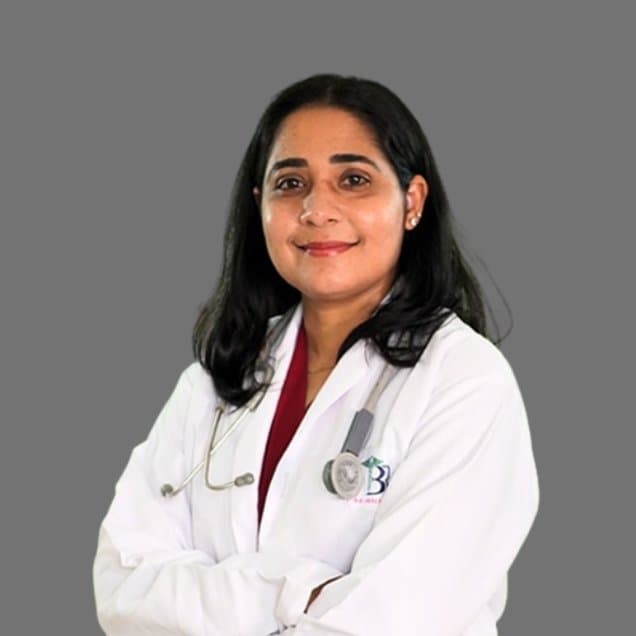
Dr. Kavita Manchanda
MBBS, MS (OBG), DNB (OBG), FNB (Reproductive Medicine). Fertility and IVF specialist with 15+ years of experience in male and female fertility, IUI, IVF, TESA, laparoscopy, hysteroscopy, pre-conception and antenatal care. Consults at Penicillin Clinic, Kamla Nagar, New Delhi.
This page is for general information and does not replace a personal consultation. Every patient is different, so please speak to a qualified doctor about your situation.