
PCOS is one of the most common hormonal conditions in women of reproductive age. Plenty of women only find out they have it when they start trying for a baby, often after a scan ordered for irregular periods. The word can sound frightening. In practice, PCOS-related infertility is usually very treatable.
This guide covers how PCOS affects fertility, how it is diagnosed and the treatment options, roughly in the order we use them. If you are looking for a gynaecologist in Kamla Nagar or a fertility doctor in Delhi, it should help you prepare for your visit.
What is PCOS?
Polycystic ovary syndrome is a hormonal condition that affects how the ovaries work. It is usually diagnosed when at least two of these are present:
- irregular or absent periods, which reflect irregular ovulation
- signs of raised male hormones, such as acne, excess facial or body hair, scalp hair thinning, or raised levels on a blood test
- ovaries with many small follicles on ultrasound
PCOS is often linked to insulin resistance, where the body needs more insulin to keep blood sugar normal. This makes weight gain easier and can disturb ovulation further. But slim women get PCOS too. Weight is only one part of the picture.
How PCOS affects fertility
The main fertility problem with PCOS is irregular ovulation. If an egg is not released regularly, there are fewer chances to conceive each year, and timing intercourse becomes guesswork.
A few other points are worth knowing.
- Women with PCOS usually have a good number of eggs, so egg reserve is rarely the issue. If you have been told your AMH is high, this is why. Our guide to AMH and ovarian reserve explains the test.
- PCOS carries a higher risk of gestational diabetes and high blood pressure in pregnancy, so care before conception and good antenatal care matter.
- Long gaps between periods can thicken the uterine lining, which we will want to manage.
How it's diagnosed and treated
Diagnosis starts with your menstrual history and an examination, then a few simple tests.
Tests usually advised
- Pelvic ultrasound, to look at the ovaries and uterine lining.
- Hormone tests such as LH, FSH, testosterone, thyroid and prolactin, to confirm PCOS and rule out other causes.
- Blood sugar and lipid tests, for insulin resistance and metabolic health.
- AMH, which is often high in PCOS and useful for planning treatment.
- A tubal check and semen analysis before fertility treatment starts, so nothing else is missed.
Treatment, step by step
- Lifestyle care. For women who are overweight, losing even a small amount can bring ovulation back. Regular walking, yoga or strength training improves insulin sensitivity.
- Ovulation induction. Tablets such as letrozole are commonly used first to help release an egg, with ultrasound follicle tracking to time intercourse.
- Insulin-sensitising medicine. Metformin may be advised for some women, particularly those with insulin resistance.
- IUI, combined with ovulation induction when needed. See our guide to IUI treatment in Delhi.
- Injectable hormones, in carefully monitored low doses, if tablets do not work.
- Laparoscopic ovarian drilling, a keyhole procedure sometimes used when ovulation medicines fail. Our page on fertility laparoscopy explains the procedure.
- IVF, when other options have not worked or there are additional factors. Women with PCOS respond strongly to stimulation, so we design protocols to reduce the risk of ovarian hyperstimulation (OHSS).
Not sure whether IUI or IVF suits you? Read IUI vs IVF: which is right for you.
Diet and lifestyle tips for Indian women with PCOS
You do not need an expensive diet plan. Steady habits work better than strict ones.
- Cut back on maida, large portions of white rice, mithai, packaged namkeen and sugary drinks.
- Choose whole grains like millets, oats, brown rice and whole wheat roti, in sensible portions.
- Add protein to every meal. Vegetarian options include dal, chana, rajma, paneer, curd, tofu, sprouts and nuts.
- Fill half your plate with sabzi and salad.
- Aim for at least 150 minutes of activity a week. A brisk evening walk in the colony park counts.
- Sleep well and keep stress in check, since both affect hormones.
- Start folic acid before you try to conceive.
A typical North Indian thali leans heavily on carbohydrates. Small swaps make a steady difference without giving up home food: an extra katori of dal or curd, or more sabzi in place of the second roti. Couples often ask us whether rice has to go completely. Usually not. Portion size matters more.
Avoid crash diets and supplements that promise to "cure" PCOS. PCOS is managed, not cured, and safe long-term habits matter far more than quick fixes. For more, see our article on lifestyle factors that affect fertility.
Emotional health and family pressure
PCOS can change how you feel about your body. Add relatives asking about "good news" at every family function and the stress builds. PCOS is common. It is not your fault, and it is treatable. Talking openly with your partner and with us keeps the focus on a clear plan rather than outside opinions.
PCOS care close to home in North Delhi
Ovulation tracking can mean a few scan visits each cycle, so a nearby clinic saves time and stress. Women from Kamla Nagar, Shakti Nagar, Roop Nagar, Civil Lines, Model Town, Mukherjee Nagar and the Delhi University North Campus area can reach Penicillin Clinic easily.
Dr. Kavita Manchanda (MBBS, MS OBG, DNB OBG, FNB Reproductive Medicine) has over 15 years of experience in female fertility, ovulation induction, IUI and IVF, and performs laparoscopy when it is needed. See her specialities, or read our broader guide on female infertility causes and treatment.
Getting PCOS under control with Dr. Kavita in Kamla Nagar, Delhi
If you have PCOS and are planning a pregnancy, an early consultation can save months of uncertainty. Dr. Kavita Manchanda consults in Hindi and English at Penicillin Clinic, A-86, Central, Block A, Kamla Nagar, New Delhi. Book your appointment for a PCOS fertility plan made around you.
Frequently asked questions
In everyday use in India, the two terms are used interchangeably. Doctors generally say PCOS (polycystic ovary syndrome) for the condition diagnosed by irregular ovulation, signs of raised male hormones and polycystic-looking ovaries on ultrasound. The label matters less than how it affects your cycles and health.
Yes, many women with PCOS conceive naturally, especially once cycles become more regular with weight management and lifestyle changes. If ovulation stays irregular, simple treatments such as ovulation induction tablets often help.
Not necessarily. Most women with PCOS start with lifestyle changes and ovulation induction, sometimes with IUI. We consider IVF when these do not work, or when there are other factors such as blocked tubes or male infertility.
There is no magic diet. Fewer refined carbs and sugary foods, enough protein and fibre, and regular activity tend to help. Vegetarian women can get their protein from dal, paneer, curd, soy, sprouts and nuts.
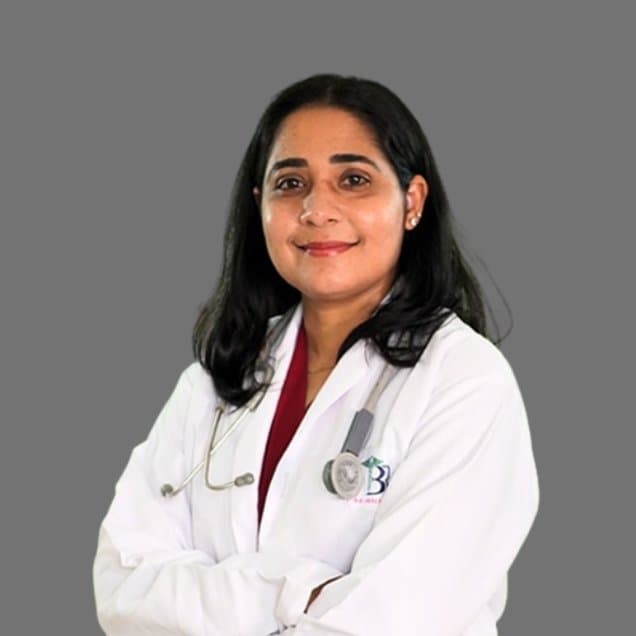
Dr. Kavita Manchanda
MBBS, MS (OBG), DNB (OBG), FNB (Reproductive Medicine). Fertility and IVF specialist with 15+ years of experience in male and female fertility, IUI, IVF, TESA, laparoscopy, hysteroscopy, pre-conception and antenatal care. Consults at Penicillin Clinic, Kamla Nagar, New Delhi.
This article is for general information and does not replace a personal consultation. Every patient is different, so please speak to a qualified doctor about your situation.