
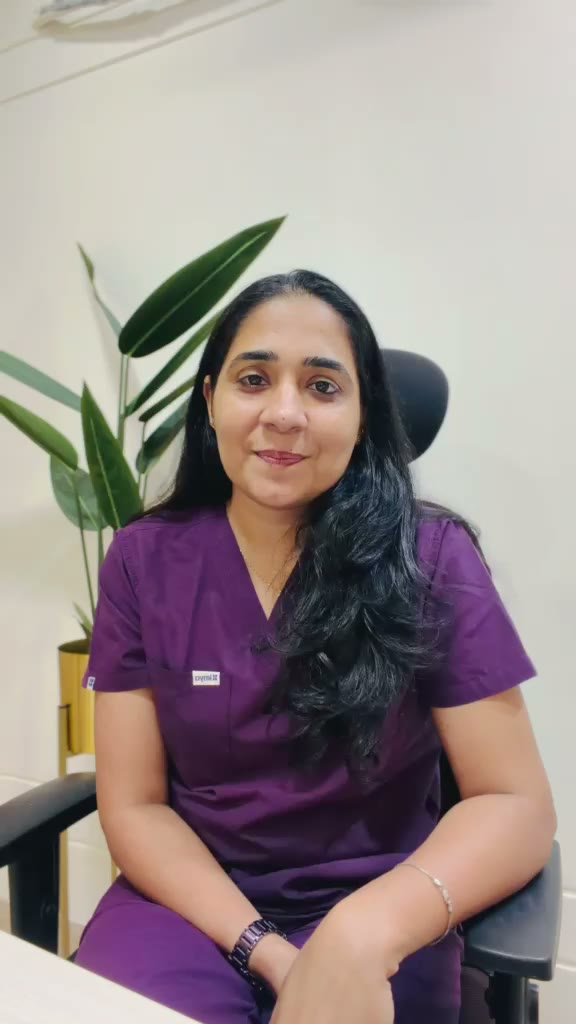
Being told your semen report shows "no sperm" is a shock. Many men feel embarrassed or blame themselves, and in a lot of Indian families male infertility is still barely talked about. One thing is worth knowing early: a zero sperm count does not always mean there are no sperm at all.
In many men, the testes are still making sperm, but the sperm are not reaching the semen. A short procedure called TESA can often collect them directly. This guide explains the TESA procedure for male infertility for couples in Delhi, from Kamla Nagar and Civil Lines to Rohini and the rest of North Delhi.
What is TESA?
TESA stands for testicular sperm aspiration. It is a minor procedure in which a fine needle is passed into the testis to draw out small samples of tissue. An embryologist then looks at the tissue under a microscope for sperm.
Sperm found this way cannot fertilise an egg naturally or through IUI. They are used for ICSI, a type of IVF in which a single sperm is injected directly into each egg in the lab.
Who may need TESA?
TESA is mainly for men with azoospermia. That means no sperm are seen in the ejaculate, even after the sample is spun down and checked carefully. There are two broad types.
- Obstructive azoospermia. Sperm are made normally, but a blockage stops them reaching the semen. Old infections, past surgery, vasectomy or a congenital absence of the vas deferens can all cause this.
- Non-obstructive azoospermia. The testes make very few sperm, for hormonal, genetic or other reasons. Sperm may still be present in small pockets.
TESA is sometimes used when sperm cannot be obtained by ejaculation, for example with certain ejaculatory problems or a spinal injury. To see where azoospermia fits in the bigger picture, read our guide to male infertility causes and treatment.
Tests before the procedure
Before TESA, we try to find out why there is no sperm in the semen. That usually involves:
- At least two semen analyses to confirm azoospermia (see semen analysis report explained)
- Hormone tests such as FSH, LH and testosterone
- A physical examination and scrotal ultrasound
- Genetic tests for some men, such as karyotype or Y-chromosome microdeletion testing
- Infection screening for both partners, as before any ART procedure
The results help predict whether sperm are likely to be found, and whether TESA or another method suits you better.
How it works, step by step
TESA is usually timed with the female partner's IVF cycle. It can also be done in advance, with the sperm frozen.
- Preparation. If sedation is planned, you will be asked not to eat for a few hours. Shaving and a bath on the morning of the procedure are usually advised.
- Anaesthesia. Local anaesthesia numbs the area. Short general anaesthesia may be added for comfort.
- Aspiration. A fine needle on a syringe goes through the skin of the scrotum into the testis, and gentle suction draws out tiny tissue samples. This may be repeated at a few sites.
- Lab examination. The embryologist checks the samples for sperm, often while you are still in the procedure room.
- Use or freezing. Any sperm found are used the same day for ICSI with your partner's eggs, or frozen for later.
- Going home. The whole thing takes 20 to 30 minutes. Most men go home the same day.
Recovery and aftercare
Recovery is usually quick. Most men are back at a desk job within a day or two.
- Wear snug, supportive underwear for a few days
- For swelling in the first 24 hours, use a cold pack wrapped in a cloth
- Take painkillers as we advise
- Skip heavy lifting, cycling and hard exercise for about a week (that includes the scooter or bike commute if the ride is bumpy)
- Avoid sexual activity for a few days, or as advised
Call us if the swelling gets worse, you develop a fever or the pain does not settle.
TESA, ICSI and your partner's role
TESA is only half the treatment. Because the sperm are used for ICSI, your partner will usually go through an IVF cycle, with ovarian stimulation and egg collection. The two procedures are timed together.
That is why it helps to see one team that treats both of you. Our guide to IVF treatment in Delhi covers the full process. Results depend on many things, including the female partner's age and egg quality, so nobody can guarantee a pregnancy. An honest conversation beforehand helps you set realistic expectations.
Male infertility treatment in North Delhi
Male factors account for a large share of infertility, yet men often put off getting tested. If you are looking for a male fertility doctor, or the best fertility doctor in Delhi, find someone who examines you carefully, respects your privacy and talks you through every option, not just the procedure.
Coming in early, before years of trying, usually leaves more choices open. Our page on the first fertility consultation explains what that visit involves.
Talk to Dr. Kavita about TESA in Kamla Nagar, Delhi
Dr. Kavita Manchanda (MBBS, MS OBG, DNB OBG, FNB Reproductive Medicine) has more than 15 years of experience and offers male fertility evaluation, IUI, IVF and TESA. She trained at Pt. B.D. Sharma PGIMS, Rohtak, and consults privately in Hindi and English at Penicillin Clinic, A-86, Central, Block A, Kamla Nagar. Explore her specialities.
If you or your husband have been told there is no sperm in the semen, wait for a full evaluation before giving up hope. Book a confidential consultation to find out whether TESA is right for you.
Frequently asked questions
It is done under local or short general anaesthesia, so you should not feel pain during the procedure. Some soreness or swelling for a few days afterwards is common. Simple painkillers and supportive underwear usually take care of it.
TESA uses a fine needle and takes only a tiny amount of tissue. It is not expected to change testosterone levels, erections or sexual function. We go over any risks specific to you before the procedure.
We may discuss another retrieval method such as micro-TESE, further tests to understand the cause, or donor sperm from a registered ART bank under the ART (Regulation) Act 2021.
Often, yes. If enough sperm are found, some can be frozen for future ICSI cycles, which may spare you a repeat procedure. It depends on how many sperm are retrieved and their quality.
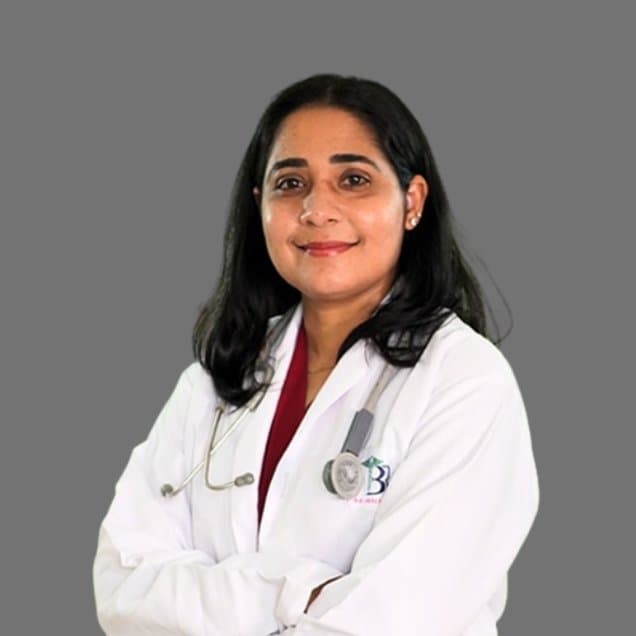
Dr. Kavita Manchanda
MBBS, MS (OBG), DNB (OBG), FNB (Reproductive Medicine). Fertility and IVF specialist with 15+ years of experience in male and female fertility, IUI, IVF, TESA, laparoscopy, hysteroscopy, pre-conception and antenatal care. Consults at Penicillin Clinic, Kamla Nagar, New Delhi.
This article is for general information and does not replace a personal consultation. Every patient is different, so please speak to a qualified doctor about your situation.